Asteroid Belting
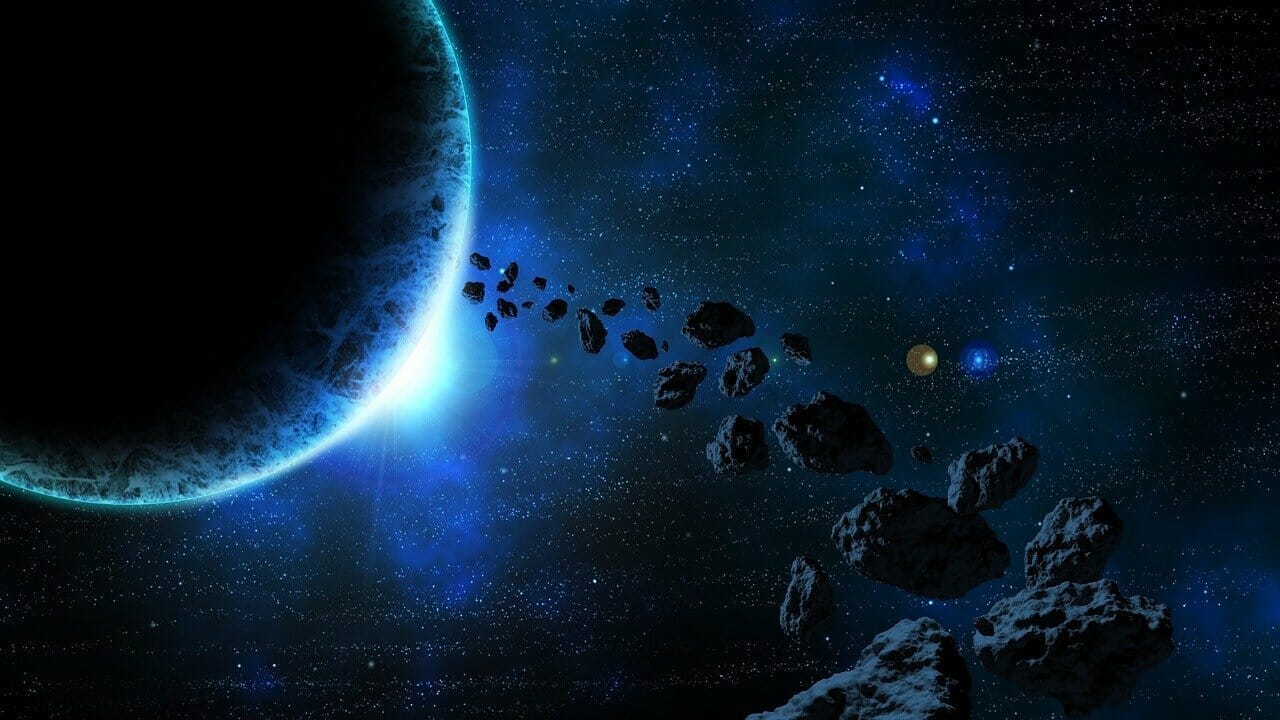
Asteroid Bennu, the target of NASA's OSIRIS-REx asteroid expedition, kept surprising the mission team while the spacecraft studied it from a d...
The NASA and University of Arizona OSIRIS-REx asteroid sample return mission team has been selected to receive the 2022 John L. "Jack" Swigert Jr. Award for Spa...
A survey completed using a combination of ground and space-based telescopes yielded a treasure trove of previously unknown globular clusters – old, dense groups of thousands of stars that all formed at the same time – in the outer regions of the elli...
Now is the best time to get a glimpse of Comet C/2021 A1, better known as Comet Leonard. It's named for its discoverer, Gregory Leonard, a senior research speci...
Even galaxies don't like to be alone. While astronomers have known for a while that galaxies tend to congregate in groups and clusters, the process of going fro...
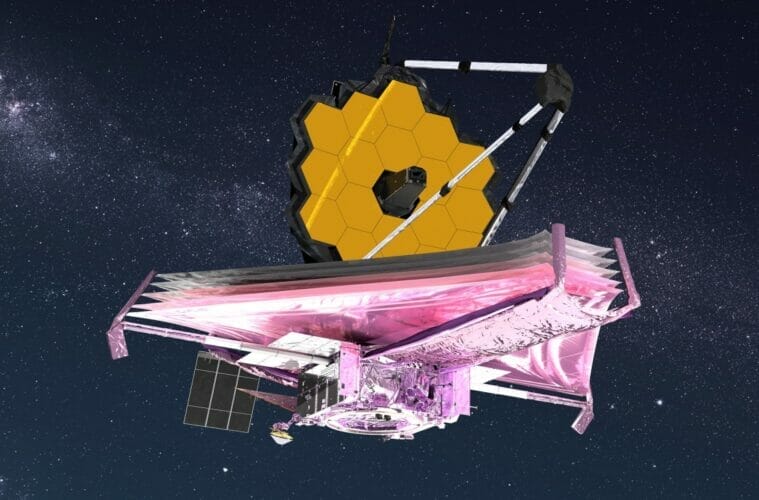
NASA's James Webb Space Telescope, which will look farther back in the history of the universe than any telescope before it, has arrived in French Guiana, where it will be readied for launch on Dec. 18. University of Arizona researchers will provide ...
Metal-rich near-Earth asteroids, or NEAs, are rare, but their presence provides the intriguing possibility that iron, nickel and cobalt could someday be mined f...
Planet formation – the process by which neat, round, distinct planets form from a roiling, swirling cloud of rugged asteroids and mini planets – was likely even...
The National Science Foundation Frontier Research in Earth Sciences, or FRES, program awarded a University of Arizona-led team $2.8 million to study how subsurface fluids, rocks and microbes interact and evolve over time. The project has been dubbed ...